

How Video Game Culture Is Changing Around the World
Video games have become more than just entertainment – they’re now a global phenomenon that connects millions of people across different continents. From Tokyo to Toronto, gaming habits are shifting, and some trends are universal, while others reflect local preferences. Digital entertainment platforms, including https://amerikaanseonlinecasino.com and streaming services, show how varied online recreation has become across different regions.
What’s driving these changes? Technology plays a huge role. So does accessibility. Let’s explore the key shifts reshaping video game culture worldwide.
The Mobile Gaming Revolution
Mobile gaming has exploded in regions where console gaming never took hold. Countries across Asia, Africa, and South America are experiencing gaming booms through smartphones. This shift makes sense. Phones are more affordable than dedicated gaming hardware.
Players can game anywhere now. During commutes. While waiting in line. The barrier to entry has never been lower. This accessibility is bringing new demographics into gaming culture.
The business model has shifted dramatically. Free-to-play games with optional purchases have become the standard. This approach works particularly well in emerging markets. Players can start without spending money.
Games like PUBG Mobile and Free Fire have massive followings in India, Brazil, and Southeast Asia. These titles generate billions through microtransactions. The model proves that gaming success isn’t just about upfront sales anymore.
Esports Goes Mainstream
Competitive gaming is no longer niche. Esports tournaments now fill stadiums and attract millions of online viewers. Prize pools reach tens of millions of dollars. Professional gamers have become celebrities.
Different regions favor different games. South Korea remains passionate about StarCraft and League of Legends. China dominates in MOBA games. North America and Europe show strong interest in first-person shooters. The diversity reflects cultural preferences.
Streaming platforms have amplified this growth. Fans watch their favorite players practice and compete. The line between playing and watching has blurred. Both activities are now core parts of gaming culture.
Cross-Platform Play Breaks Barriers
Cross-platform functionality is becoming expected rather than exceptional. Players on PlayStation can now team up with Xbox and PC users. This wasn’t possible just a few years ago. Console manufacturers resisted the idea initially.
Why does this matter? It removes artificial boundaries. Friends can play together regardless of their hardware choices. The gaming community becomes more unified. Player bases stay healthier for longer periods.
Cloud gaming services are changing ownership concepts. You don’t need expensive hardware anymore. Games stream from remote servers to your device. This technology is still developing but shows promise.
Geographic availability varies widely. Some regions have the internet infrastructure to support cloud gaming. Others still struggle with bandwidth limitations. As connectivity improves globally, expect cloud gaming to expand significantly.
Regional gaming preferences:
| Region | Popular Genre | Leading Platform | Cultural Factor |
| East Asia | Mobile RPGs, MOBAs | Mobile, PC | PC bang culture, mobile-first adoption |
| North America | Shooters, Sports | Console, PC | High console penetration, competitive culture |
| Europe | Strategy, Simulation | PC, Console | Diverse preferences, strong indie scene |
| Latin America | Battle Royale, Sports | Mobile, Console | Mobile growth, football passion |
| Middle East | Shooters, Mobile Games | Mobile, Console | Young demographic, mobile penetration |
Different cultures approach gaming uniquely. Japanese players favor handheld devices and narrative-driven experiences. European gamers show strong support for simulation and strategy titles. These preferences influence what developers create for specific markets.
Social Gaming Becomes the Norm
Gaming is fundamentally social now. Single-player experiences still exist, but multiplayer dominates discussions. People use games as virtual hangout spaces. They’re not just playing together but socializing.
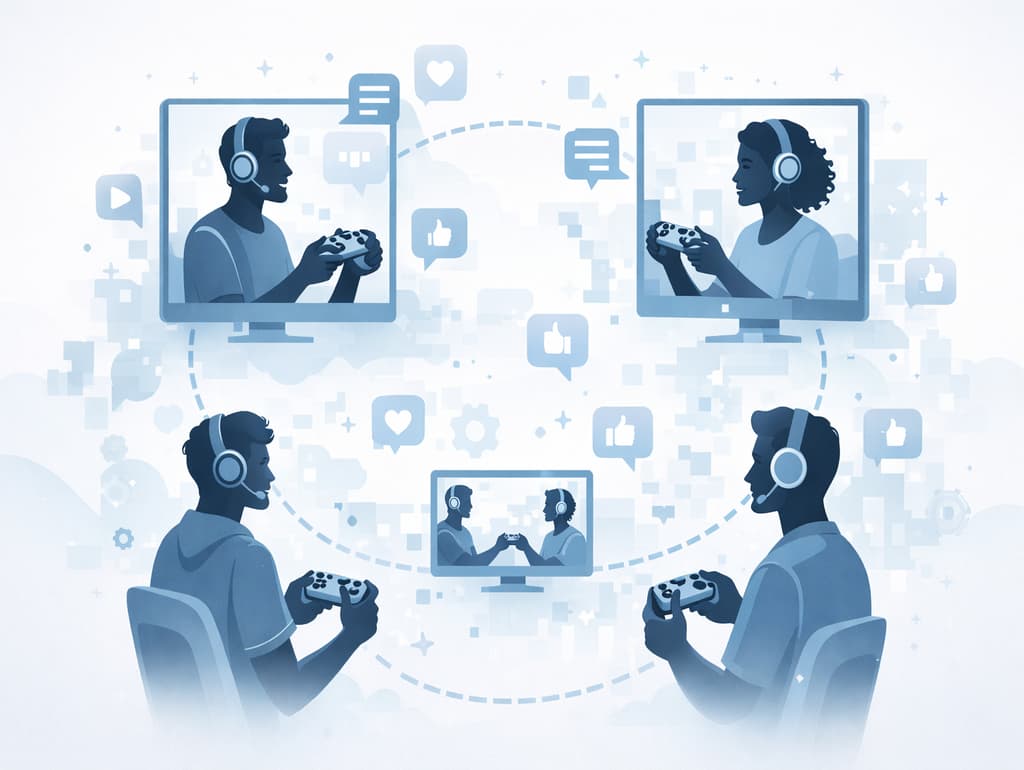
Discord servers, in-game voice chat, and streaming integration make this possible. Communities form around specific games or genres. These connections often extend beyond gaming. Friendships develop. Some people meet their partners through gaming communities.
The pandemic accelerated this trend. When physical gatherings became impossible, virtual worlds provided alternatives. This shift appears permanent. Gaming platforms now emphasize social features as core selling points.
Key Trends Shaping the Future
Here are the major developments to watch:
- Increased diversity in game content. Developers are creating games that reflect varied cultural perspectives and experiences
- Subscription services are growing. Xbox Game Pass, PlayStation Plus, and similar services are changing how players access games
- Virtual reality is advancing. VR technology is slowly improving and finding its audience, particularly in fitness and social applications
- Retro gaming resurgence. Classic games and pixel art aesthetics are experiencing renewed popularity across age groups
- Independent developers are thriving. Small studios can now reach global audiences through digital distribution platforms
The Generational Shift
Older generations are gaming more than ever. The stereotype of gamers as teenagers is outdated. People who grew up with Nintendo and Sega are still playing. They’re now in their thirties, forties, and beyond.
This demographic shift influences game design. Developers create experiences for time-constrained adults. Games respect players’ time more. Quality over quantity becomes important.
Meanwhile, younger players have different expectations. They grew up with free-to-play models and social gaming. They expect regular content updates. Seasonal passes and live service models cater to these preferences.
Looking Ahead
Video game culture will continue evolving. New technologies will emerge. Augmented reality might become the next big thing. Artificial intelligence could revolutionize game design.
What remains constant is gaming’s power to connect people. Regardless of technological changes, the social aspect will likely strengthen. Games transcend language barriers and geographic distances.
The industry faces challenges, too. Questions about monetization ethics persist. Work-life balance for developers needs improvement. Representation and inclusion require ongoing attention.
How will your local gaming culture change in the next five years? The answer depends on technology access, cultural factors, and what developers create. One thing is certain: gaming will remain a major cultural force worldwide.
